Ireland, the Netherlands and Portugal: Europe Beyond the Obvious
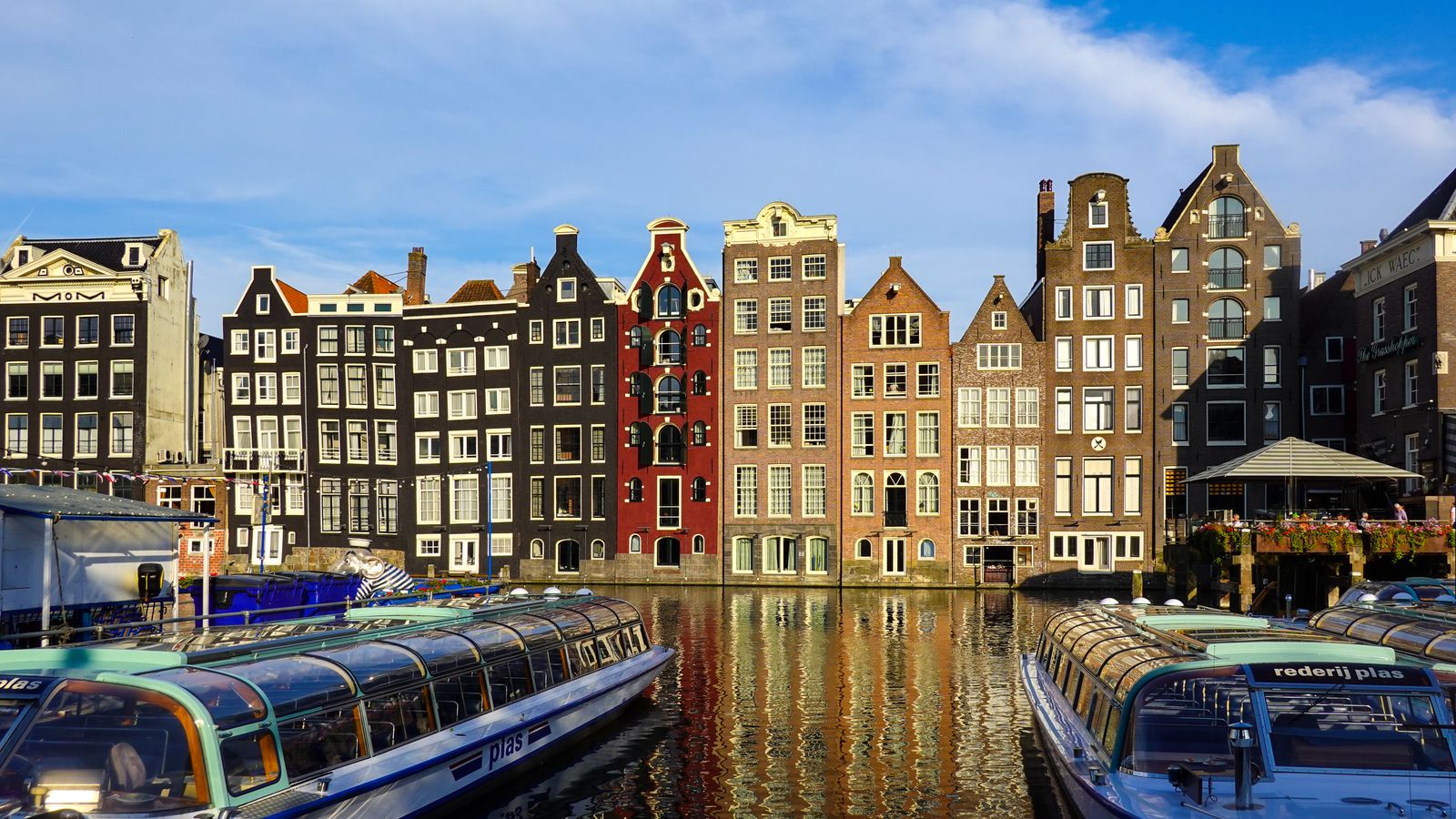
When African applicants think about working in Europe they usually think of two countries. Meanwhile several smaller economies have real shortages, active work-permit systems, and far fewer applicants competing for the same roles.
None of these are easy. All of them are less crowded.
Ireland
Ireland issues employment permits directly, and publishes lists of occupations that are in shortage and occupations that are not eligible. If your job is on the shortage list, the process is meaningfully faster. Healthcare, software and certain engineering roles have been consistently in demand. English is the working language, which removes the single biggest barrier most applicants face elsewhere in Europe.
The Netherlands
The Dutch route runs largely through recognised sponsors — employers pre-approved by the immigration service. As with the UK, the employer's status is what makes your application possible, and the list of recognised sponsors is published. English is widely used in Dutch workplaces, particularly in technology and international business.
Portugal
Portugal has been comparatively open to non-EU workers, and has routes aimed at people looking for work as well as those with an offer already. Wages are lower than northern Europe, and that is the honest trade-off — but the cost of living is lower too, and Portuguese is an advantage for applicants from Angola, Mozambique, Cape Verde and Guinea-Bissau in a way it is nowhere else on the continent.
Poland
Poland issues a large volume of work permits to non-EU nationals, concentrated in manufacturing, logistics and construction, and increasingly in IT. Processing is handled at regional level, so timelines vary a lot depending on where the employer is.
What is the same everywhere
- You need the employer first. In every one of these countries, the employer's application or sponsorship is what starts the process.
- Your qualification may need formal recognition, especially in regulated professions like nursing, teaching and engineering.
- Language decides whether you get hired, even where it is not a legal requirement.
- Each government publishes its own rules on its own site, in English. Read those, not a summary — including this one.
A word on agents
Every one of these countries has licensed recruitment channels and a large fringe of people selling access that does not exist. The test is the same as anywhere: if you are asked to pay for a job offer rather than for a service like translation or credential assessment, stop.
Less competition is a real advantage. It is not the same as an easy route, and anyone telling you it is has something to sell.